
The Numbers
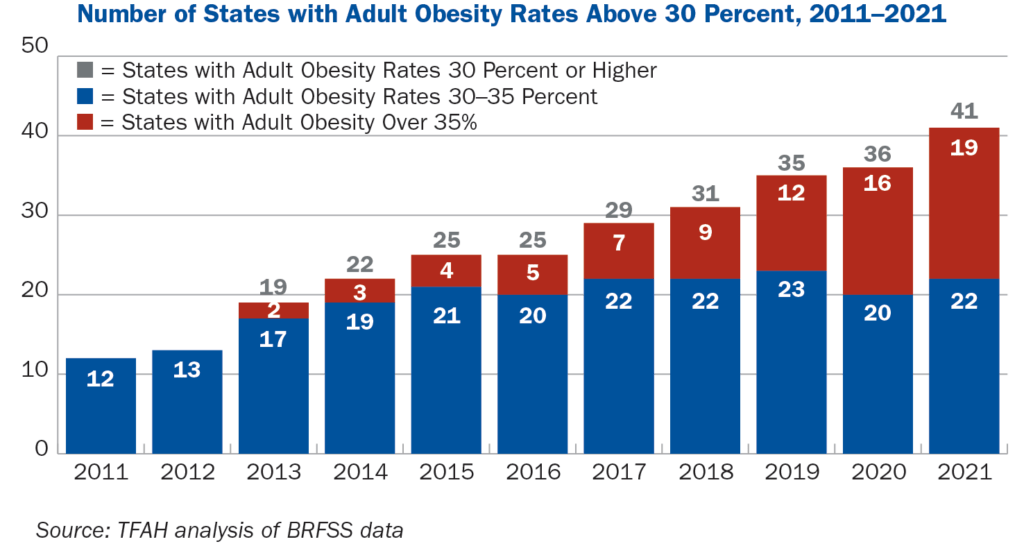
• 74% of Americans are overweight or obese.
• Young adult cancers have increased by 79% in the last 10 years.
• Young adult dementias have increased nearly three fold since 2012.
• One in two Americans are expected to have cancer in their lifetime now.
• One in 36 children has autism now, in the United States. That was one in 150 in the year 2000.
• Infertility going up 1% per year.
• 77% of young Americans can’t serve in the military because of obesity or drug abuse.
• Some studies are saying Autoimmune diseases are going up 13% per year.
• Heart disease, which is almost totally preventable, is the leading cause of death in the United States, killing around 800,000 people per year
Background
Across the United States, alarming health trends are emerging—rising rates of obesity, chronic diseases, cancer, dementia and developmental disorders are reaching crisis levels. With 74% of Americans now overweight or obese and one in two expected to face a cancer diagnosis in their lifetime, the scope of the problem is overwhelming. Early-onset dementia has tripled since 2012 and autism rates have skyrocketed to one in 36 children nationwide, making it clear that the nation is facing a public health emergency.
While these trends affect communities everywhere, Salisbury University has a unique opportunity to take action, yet, so far, the response has been surface-level at best. The university could be doing much more to tackle these health issues head-on, from improving the quality of food at The Commons, to launching serious research initiatives that address the root causes of these alarming trends.
The Growing Crisis
Obesity, for example, is not just a national issue, but a problem that undoubtedly affects the students and community in Salisbury. This epidemic is driving preventable diseases like heart disease, which is still the leading cause of death in the U.S. Salisbury University could easily become a leader in promoting healthier lifestyles by improving its dining hall offerings and encouraging better eating habits on campus. Current offerings do little to encourage healthy choices, leaving a gap that could be filled by prioritizing nutrition and wellness.
At the same time, the surge in young adult cancers—up 79% in the last decade—alongside increasing rates of autism and early-onset dementia present opportunities for Salisbury University to step up its involvement in public health research. With its health and science programs, the university is well-positioned to study these rising issues, yet it has not fully embraced this role.
By investing in research initiatives and promoting student involvement in addressing these health challenges, SU could take a leading role in finding solutions.
Salisbury’s Opportunity to Lead
While Salisbury University has made some efforts to address these issues, the impact remains limited. Small initiatives, such as health awareness campaigns, while helpful, are not enough to confront the magnitude of this growing national crisis. However, the university has the potential to become a true leader, not just in its region, but nationally.
For instance, improving the food quality at The Commons to offer healthier, more nutritious options could have an immediate effect on the health of students, potentially reducing obesity rates on campus. Furthermore, SU could leverage its research programs to study the root causes of rising cancers, autoimmune diseases and autism rates—becoming a center for innovation in these critical fields.
In addition, programs aimed at promoting healthier lifestyles—both physical and mental—could help address the growing rates of autoimmune diseases, which are increasing by 13% per year, as well as infertility, which is rising by 1% annually. Salisbury University could easily establish itself as a leader in preventive care, educating its students and the broader community on the importance of lifestyle choices, and potentially partnering with local health organizations to create lasting change.
Conclusion: Salisbury’s Time to Act
The health trends sweeping the nation are a wake-up call. With one in two Americans expected to battle cancer, 77% of young people ineligible for military service due to obesity or drug abuse, and rising rates of cognitive and developmental disorders, the time for action is now. Salisbury University has a tremendous opportunity to be at the forefront of these efforts—offering solutions, conducting groundbreaking research, and leading the charge in promoting healthier lifestyles for its students and beyond.
While the university has taken small steps, it has yet to fully embrace its potential to address this national health crisis. By investing in better food options, research and preventive care programs, Salisbury University could become a national leader in confronting these critical issues, making a lasting impact on both the student population and the larger community.
By LUKE HARTLAUB
Examiner-Editor
Featured image courtesy of TFAH



 Maryland Maverick News
Leave a comment