By Luke Hartlaub
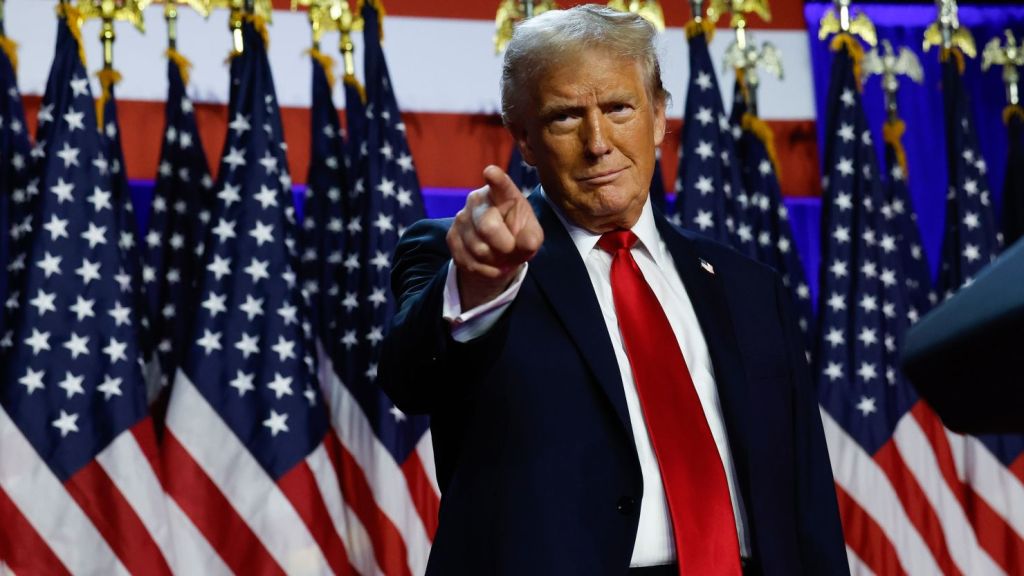
In a stunning political comeback, Donald Trump has been elected the 47th President of the United States, securing the crucial 270 electoral votes with a decisive win. This victory marks a return to power for Trump and a clear shift in the country’s political landscape, as the Republican Party also reclaimed the Senate by winning key races in Ohio and West Virginia.
Trump’s campaign benefited from a major boost with the endorsement and alliance of Robert F. Kennedy Jr., who initially ran as an independent and polled as high as 20% at one point. Kennedy’s support—and his MAHA (Make America Healthy Again) movement—helped bolster Trump’s appeal, particularly on issues of health freedom and skepticism toward establishment narratives. The alliance between Trump and Kennedy appears to have played a significant role in Trump’s large margins in various states, showing a crossover appeal that resonated with voters seeking genuine reform.
The mainstream media, which has often characterized Trump as a “fascist” or “Nazi,” now faces a reckoning as Trump’s re-election underscores a growing mistrust of traditional media influence. Despite their repeated portrayals of Trump in extreme terms, he mobilized an unprecedented coalition, marking a shift in how Americans perceive both their leaders and the media itself.
Trump’s success raises questions about the future power of mainstream media, which struggled to predict or influence the outcome.
In his victory speech, Trump adopted a notably different tone, calling for unity and pledging to make America “bigger, better, bolder, richer, safer and stronger.” This message, aimed at bridging divisions, could signal a shift in his approach, though how this will manifest in his new administration remains to be seen.
Maryland, too, saw historic shifts in its election outcomes. Democratic candidate Angela Alsobrooks made history by becoming Maryland’s first Black U.S. Senator, defeating former Republican Governor Larry Hogan. This win reflects both Maryland’s evolving political identity and a national trend toward increased diversity in representation.
In Wicomico County, residents voted down Question A, rejecting a proposed transition from a County Executive to a council-manager government structure. This decision reflects a preference for maintaining the existing form of local governance despite ongoing debates about its effectiveness. Additionally, Maryland voters passed Question 1, enshrining reproductive rights in the state’s constitution—a response to shifting reproductive policies at the national level.
As the country turns its attention to the future, Trump’s administration and Kennedy’s influence through the MAHA movement stand poised to shape America’s political direction. With a renewed mandate, Trump’s return to the White House could redefine the country’s priorities on both the national and international stage, setting the tone for the next four years and potentially beyond.
Featured image courtesy of Chip Somodevilla/Getty Images

 Maryland Maverick News
Leave a comment